
"Qing Dynasty coffee"
100 article(s) found

When was coffee introduced into China? Spread and Development of Coffee in China
The word coffee comes from the Greek word Kaweh, which means strength and enthusiasm. Coffee tree is an evergreen shrub of Capsaceae. Daily coffee is made from coffee beans combined with a variety of cooking utensils, and coffee beans refer to the nuts in the fruit of coffee trees, which are then roasted with appropriate roasting methods. In ancient China, Shennong tasted all kinds of herbs and recorded them one by one.

The west wind in the coffee cup is spreading to the east: is Starbucks a waste of Chinese culture?
Professional coffee knowledge exchange more coffee bean information Please follow the word Coffee Workshop (Wechat official account cafe_style) Coffee, which first appeared in the China University Dictionary in the early years of the Republic of China, became the official name of a unified jianghu, and finally put an end to the strange and chaotic translation of names such as Kaofei and eating fat. China is a country of writing, so it must have a correct name. The confirmation of the word coffee represents the people.

Are you still going to Starbucks for coffee?
The word coffee did not exist before the late Qing Dynasty. The Chinese first called this kind of thing drunk by foreigners as black wine, and during the Tongzhi period, there was a book on making foreign rice, which taught Chinese cooks how to cook western food and called it fattening. According to the examination of later generations, coffee became a Chinese vocabulary, which began with the China Great Dictionary in 1915. Since then, drinking coffee has become a very foreign thing.

Summer Palace Culture and Business Space introduction the summer palace coffee created by Wanda Group is opened in Jiuqing Chaofang.
Everyone knows the Summer Palace, right? The Summer Palace was a royal garden in the Qing Dynasty, which was built by drawing on the design techniques and characteristics of the gardens in the south of the Yangtze River. The Summer Palace is now the largest and most well-preserved royal garden in China. It is an AAAAA-level tourist scenic spot in Beijing, the first batch of national key cultural relics protection units in China, and also a world-famous world-class heritage. There are nine in the Summer Palace.
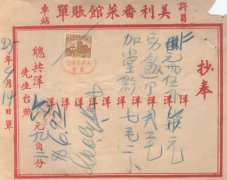
The earliest western restaurant in China was called Fancai Restaurant
Chinese people begin to recognize western culture by observing westerners 'living habits. The Chinese found that Westerners drink soup first, then eat; eat first, then drink. They couldn't explain this abnormal Chinese living habit, and they finally concluded that the fundamental reason why Westerners and Chinese living habits are different is that Westerners believe that the earth is round and Chinese head to head.

Chinese coffee culture the earliest western restaurant in China is called vegetable Restaurant.
Chinese people begin to understand western culture by observing the living habits of westerners. The Chinese find that Westerners drink soup first, then eat; eat first, then drink. Unable to explain this abnormal living habit in China, they were puzzled and finally concluded that the fundamental reason why the living habits of Westerners and Chinese are different is that Westerners believe that the earth is round.

Chinese Tea and Western Coffee Culture
Tea, coffee and cola are called the three largest drinks in the world, and the largest consumption is tea and coffee. Coffee plays an irreplaceable role in the life of westerners, no matter in school, company, shopping mall or at home, everyone enjoys it with a coffee cup, while tea is deeply rooted in Chinese life, it is not only a kind of drink, but also carries Chinese culture. Tea and coffee represent
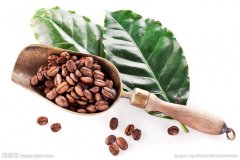
The first coffee tree planted in Chinese mainland is the cultivation of Yunnan small coffee in Yunnan Province.
The first coffee recorded in history books was the planting of China's first coffee tree in Taiwan in 1884. In the tenth year of Guang Xu in the Qing Dynasty (AD 1884), a British tea merchant found that the climate of Taiwan was very similar to that of Central and South America, so it would be a good geography for growing coffee. As a result, the businessman introduced 100 Arabian coffee trees to Taiwan to grow, which became Chinese coffee.
A comparison between Chinese Tea and Western Coffee Culture
Tea, coffee and cola are called the three largest drinks in the world, and the largest consumption is tea and coffee. Coffee plays an irreplaceable role in the life of westerners, no matter in school, company, shopping mall or at home, everyone enjoys it with a coffee cup, while tea is deeply rooted in Chinese life, it is not only a kind of drink, but also carries Chinese culture. Tea and coffee represent

General knowledge of Chinese Tea and Western Coffee Culture
Tea, coffee and cola are called the three largest drinks in the world, and the largest consumption is tea and coffee. Coffee plays an irreplaceable role in the life of westerners, no matter in school, company, shopping mall or at home, everyone enjoys it with a coffee cup, while tea is deeply rooted in Chinese life, it is not only a kind of drink, but also carries Chinese culture. Tea and coffee represent

The influence of Coffee Culture on Chinese Tea and Western Coffee Culture
Tea, coffee and cola are called the three largest drinks in the world, and the largest consumption is tea and coffee. Coffee plays an irreplaceable role in the life of westerners, no matter in school, company, shopping mall or at home, everyone enjoys it with a coffee cup, while tea is deeply rooted in Chinese life, it is not only a kind of drink, but also carries Chinese culture. Tea and coffee represent

Coffee cavity Guide is a very foreign thing.
The word coffee did not exist before the late Qing Dynasty. The Chinese first called this kind of thing drunk by foreigners as black wine, and during the Tongzhi period, there was a book on making foreign rice, which taught Chinese cooks how to cook western food and called it fattening. According to the examination of later generations, coffee became a Chinese vocabulary, which began with the China Great Dictionary in 1915. Since then, drinking coffee has become a very foreign thing.

The ancients drank tea and played "pull flowers", which far exceeded the modern coffee skills.
Cappuccino, popular in the 21st century, pays special attention to pulling flowers, to pull into a variety of patterns, heart-shaped, rose-shaped, or pull out two connected hearts, or pull out the five petals of plum blossoms, in a variety of ways, to name a few. In fact, people in the Tang and Song dynasties played the game of pulling flowers more than a thousand years ago, and their skills are far better than those in these modern cafes. The tea ceremony in Tang and Song dynasties is

What are the advantages and disadvantages of drinking coffee regularly?
Young people like coffee almost more than traditional Chinese tea drinking. What is in coffee and what is good for health? The editor has sorted out the following materials to facilitate everyone's understanding and reading. The time for Chinese people to drink coffee can be estimated until the late Qing Dynasty. For special historical reasons at that time, many Chinese people with lofty ideals went to study abroad, combining foreign education, customs and so on.
What brand of coffee in Yunnan tastes good? Yunnan small-grain coffee brand
Professional coffee knowledge exchange more information about coffee beans please follow the coffee workshop (Wechat official account cafe_style) Yunnan small Coffee, originating in Ethiopia or Arabian Peninsula. In the 30th year of Guang Xu in the Qing Dynasty (1904), Tian Deneng, a French Catholic missionary, was sent to Zhukula Village, Binchuan County, and planted the first coffee tree for his own drinking. Yunnan Arabica coffee flavor

What are the advantages of drinking coffee regularly? what's in coffee?
Young people like coffee almost more than traditional Chinese tea drinking. What is in coffee and what is good for health? The editor has sorted out the following materials to facilitate everyone's understanding and reading. The time for Chinese people to drink coffee can be estimated until the late Qing Dynasty. For special historical reasons at that time, many Chinese people with lofty ideals went to study abroad, combining foreign education, customs and so on.

What are the benefits of drinking coffee regularly? what's good for your health?
Young people like coffee almost more than traditional Chinese tea drinking. What is in coffee and what is good for health? The editor has sorted out the following materials to facilitate everyone's understanding and reading. The time for Chinese people to drink coffee can be estimated until the late Qing Dynasty. For special historical reasons at that time, many Chinese people with lofty ideals went to study abroad, combining foreign education, customs and so on.

A comparison between Chinese Tea Culture and Western Coffee Culture
Tea, coffee and cola are regarded as the three major drinks in the world, and the largest consumption is tea and coffee. Coffee is a substitute for coffee in the life of westerners, no matter at school, in the company, or at home as usual, everyone enjoys it with a coffee cup, while tea is hard to change in Chinese life. It is not only a kind of drink, but also carries Chinese and Chinese culture. Tea and coffee represent

What are the benefits of drinking coffee regularly? what's good for your health?
Young people like coffee almost more than traditional Chinese tea drinking. What is in coffee and what is good for health? The editor has sorted out the following materials to facilitate everyone's understanding and reading. The time for Chinese people to drink coffee can be estimated until the late Qing Dynasty. For special historical reasons at that time, many Chinese people with lofty ideals went to study abroad, combining foreign education, customs and so on.

The small flavor of Zhujiajiao in Shanghai roams in the cafe of the ancient town.
A good place to relax Xijing Hui address: the Yang's house at 56 Xijing Street, Zhujiajiao, is now a cafe with Chinese elements. The three courtyard houses in the Qing Dynasty are now filled with the smell of coffee. The trees in the courtyard are still green and jade, and the stone bricks are mottled, and the old solid wood beams and pillars are telling about it.